Introduction
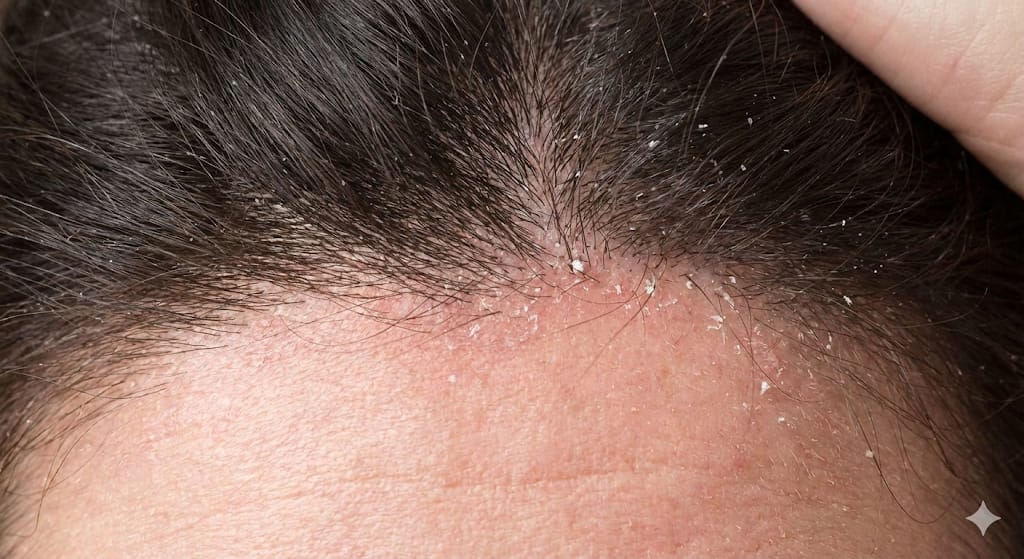
Dandruff is one of the most common scalp concerns. White flakes, itching, and dryness can make hair appear dull and unhealthy. The good news is that with a structured dandruff treatment routine and the right products, most dandruff issues can be resolved.
What Causes Dandruff?
Dry Scalp
Characterized by white, powdery flakes that fall easily.
Oily Scalp Dandruff
Excess oil traps dead skin cells, creating yellowish, sticky flakes.
Fungal Dandruff (Malassezia)
Overgrowth of the natural scalp fungus causes itching, inflammation, and persistent flakes.
Product Buildup
Shampoo, conditioner, styling products, and oils accumulate on the scalp and clog follicles, leading to flakes.
Identifying the type of dandruff helps determine the correct treatment approach.
Step-by-Step Dandruff Treatment Routine
Step 1: Use the Right Anti-Dandruff Shampoo
Apply 2–3 times a week based on severity.
Types of shampoos and their uses:
- Ketoconazole shampoo: best for fungal dandruff
- Zinc pyrithione shampoo: suitable for mild, regular dandruff
- Salicylic acid shampoo: helps remove flakes and buildup
- Coal tar shampoo: ideal for chronic, recurring dandruff
How to use:
- Apply shampoo directly to the scalp
- Massage gently for two minutes
- Leave it on for three to five minutes
- Rinse thoroughly
Step 2: Exfoliate the Scalp (Once a Week)
Scalp exfoliation removes dead skin and product buildup, allowing treatment shampoos to work more effectively.
Options:
Salicylic acid scalp serum
Mild homemade scrub (sugar mixed with a small amount of coconut oil)
Step 3: Oil Treatment for Dry Scalp
This step is only for dry dandruff, not for oily or fungal dandruff.
Recommended oils:
Warm coconut oil
Olive oil
Add a few drops of tea tree oil for antibacterial benefits
Apply oil to the scalp for 20 minutes and wash it off with shampoo.
Step 4: Apply a Scalp Serum
A scalp serum helps control dandruff between washes.
Options:
Tea tree serum: antibacterial and soothing
Niacinamide serum: reduces oiliness and inflammation
Salicylic acid serum: prevents future flakes
Apply directly on the scalp in sections.
Step 5: Maintain Scalp Hygiene
Good hygiene prevents dandruff from returning.
Wash hair regularly
Avoid heavy oils if you have an oily scalp
Clean combs weekly
Change pillowcases frequently
Avoid scratching the scalp
Reduce use of gels, waxes, and styling creams
Diet for Dandruff Control
Foods to include:
Zinc-rich foods: pumpkin seeds, peanuts, eggs
Omega-3 sources: walnuts, flaxseed, fish
Plenty of fruits, vegetables, and water
Foods to reduce:
Excess sugar
Dairy products if fungal dandruff worsens
When to Consult a Dermatologist
Seek professional help if:
Dandruff persists for more than four week
Flakes are thick, yellow, or painful
There is bleeding or infection on the scalp
You experience sudden or severe hair fall
Conclusion
Dandruff is common but manageable with the right approach. By selecting the correct anti-dandruff shampoo, exfoliating the scalp, using serums, and maintaining good hygiene, you can restore scalp health and reduce flakes effectively.