Introduction
Hair fall and thinning have become extremely common today due to stress, pollution, genetics, and lifestyle changes. Among all the modern hair treatments available, PRP Treatment (Platelet-Rich Plasma Treatment) is one of the most effective and natural methods to improve hair density and reduce hair fall.
This blog explains PRP clearly - how it works, what to expect, who needs it, cost, benefits, side effects, and expected results.
What Is PRP Treatment?
PRP stands for Platelet-Rich Plasma, a component derived from your own blood. Your blood contains platelets, which have natural growth factors. These growth factors help repair tissues, heal wounds, and support cell growth.
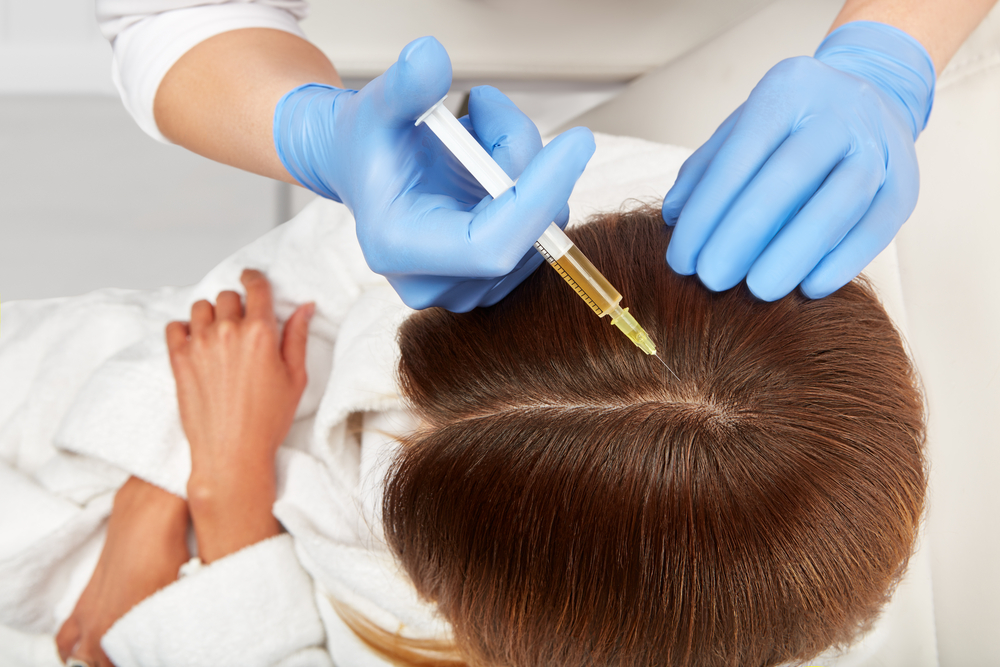
In PRP, these platelets are collected in high concentration and injected into the scalp to:
- Strengthen weak hair follicles
- Improve blood supply
- Activate dormant follicles
- Slow down hair fall
PRP works because it uses your body’s natural healing ability to repair thinning hair.
How PRP Treatment Works (Step-by-Step)
1. Blood Collection
A small amount of blood (10–20 ml) is taken from your arm.
2. Centrifugation
The blood is placed in a centrifuge machine.
This machine spins at high speed and separates:
- Platelet-rich plasma
- Red blood cells
- White blood cells
Who Should Consider PRP Treatment?
PRP is highly effective for:
- Early hair thinning
- Genetic hair fall in men (male pattern baldness)
- Stress-related hair fall
- Hormonal hair fall in women
- Post-pregnancy hair loss
- Improving density after a hair transplant
PRP is not effective for:
- Completely bald areas
- Late-stage baldness where follicles are dead
- Certain medical conditions (doctor evaluation required)
How Many PRP Sessions Are Needed?
The standard PRP treatment plan is:
- 3–4 sessions
- One session every 4–5 weeks
- Maintenance session every 6–9 months
PRP works gradually because hair growth cycles take time.
Conclusion
PRP Treatment has become one of the most trusted solutions for early-stage hair thinning because it works at the root level — not just on the surface. It repairs follicles, improves blood circulation, and supports long-term hair health using your body’s own growth factors.